If you’ve seen “op ed” pop up in messages, comments, or social media threads, you might be wondering what it means in chat.
While it originally comes from journalism, the term is now occasionally used in texting, online debates, and digital communication.
In this guide, we’ll break down the op ed meaning in chat, how it’s used as internet slang, and whether it actually fits Gen Z texting culture in 2026.
What Does op ed Mean in Chat?
In chat, “op ed” typically refers to an opinion-based message or take, similar to how it’s used in journalism. It’s not traditional texting slang but can appear as internet slang when someone shares a strong personal viewpoint, often in a slightly ironic or humorous way.
Literal Meaning of op ed
“Op ed” stands for “opposite the editorial”, a term from newspapers. It refers to opinion articles written by individuals who are not part of the editorial board.
Traditionally, op-eds are:
- Personal viewpoints
- Argument-driven pieces
- Published alongside official editorial content
The term originated in print journalism but has evolved into a broader way to describe any opinion-based content.
How Is op ed Used as Slang Online?
Online, “op ed” has taken on a slightly different tone. In digital communication, it’s used more casually to describe:
- A long opinionated message
- A rant or hot take
- A thoughtful or dramatic perspective
Among Gen Z and internet culture, calling something an “op ed” can be:
- Ironic → “bro wrote a whole op ed in the group chat”
- Sarcastic → used to tease someone for being overly serious
- Humorous → exaggerating a simple opinion into something “deep”
It appears in contexts like:
- TikTok comment sections
- Twitter/X threads
- Discord discussions
- Group chats
In this sense, it becomes a social media expression that blends formal language with casual tone.
Is op ed Commonly Used in Texting?
No, “op ed” is not widely used as mainstream texting slang.
It’s considered:
- Niche
- Slightly intellectual or ironic
- More common in online discussions than casual texts
You’re more likely to see it:
- In debates or long messages
- Among users familiar with journalism or academic terms
- On platforms like Twitter/X, Reddit, or Discord
In everyday texting, people usually prefer simpler slang like “rant,” “take,” or “opinion.”
Examples of op ed in Text Messages
Here are some realistic ways “op ed” might appear in chat:
1. Casual chat
- A: why did you send 10 paragraphs 😭
- B: it’s my op ed leave me alone
2. Group chat
- “not him turning the group chat into an op ed 💀”
3. Playful sarcasm
- “okay professor drop your op ed”
4. TikTok comment
- “this comment section is just everyone writing mini op eds”
5. Debate context
- “I didn’t ask for an op ed, just answer the question”
6. Friendly teasing
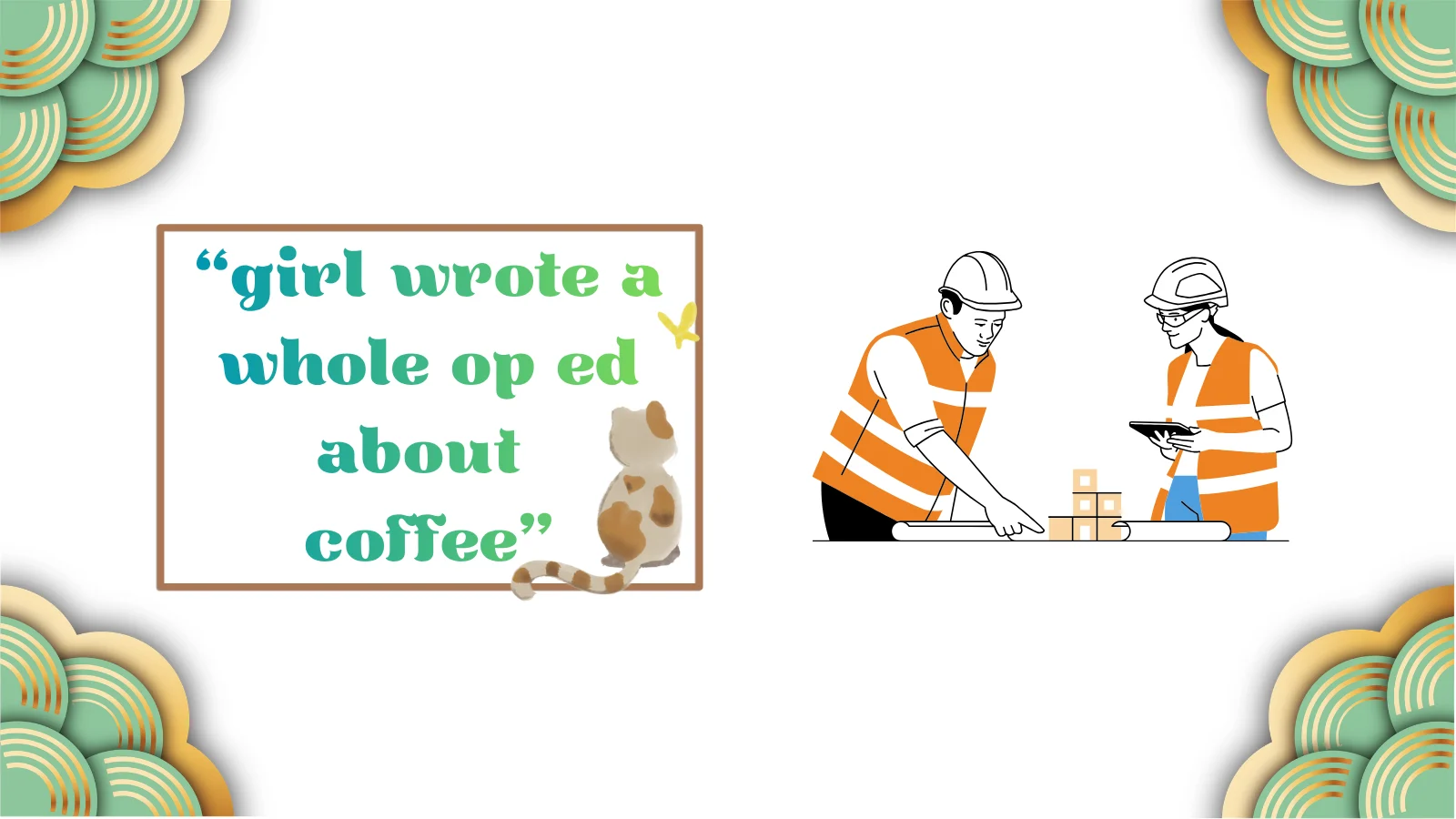
- “girl wrote a whole op ed about coffee”
7. Caption style
- “my unsolicited op ed on why mornings are overrated”
These examples show how the term is often used humorously or ironically.
Similar Slang Words or Expressions
Here are some related expressions used in texting slang:
- Hot take → a bold or controversial opinion
- Rant → emotional or lengthy complaint
- Think piece → deep or analytical opinion (often sarcastic online)
- Opinion dump → casual sharing of thoughts
- Mini essay → joking way to describe a long message
All of these capture similar ideas but are more commonly used in everyday chat.
op ed vs Similar Terms (Comparison Section)
op ed vs hot take
- Op ed → structured or thoughtful opinion
- Hot take → quick, bold, often controversial opinion
op ed vs rant
- Op ed → more organized or intellectual tone
- Rant → emotional, less structured
op ed vs think piece
- Op ed → traditional and serious origin
- Think piece → often used sarcastically online
Is It Formal or Informal?
“Op ed” sits in a unique space between formal and informal language:
- Formal → In journalism and academic writing
- Semi-informal → In online discussions
- Informal/ironic → In texting and social media
In professional settings, it keeps its original meaning. In chat, it’s often used humorously or sarcastically.
Frequently Asked Questions (FAQ Section)
Is op ed Gen Z slang?
Not exactly. “Op ed” is originally a journalism term, not native Gen Z slang. However, Gen Z sometimes uses it ironically in chats or social media to describe long or opinionated messages.
Is op ed trending on TikTok?
It’s not a major trending slang term on TikTok. However, it occasionally appears in comments where users jokingly refer to long explanations or debates as “op eds.”
Can op ed refer to a person?
Rarely. It usually refers to content (like a message or opinion), not a person. However, someone might jokingly call a person an “op ed writer” if they frequently share long opinions.
Is op ed used sarcastically?
Yes, very often. In chat, it’s commonly used sarcastically to tease someone for writing a long or overly serious message.
Is op ed offensive?
No, it’s not offensive. At most, it can be mildly teasing depending on tone, but it’s generally harmless and used humorously.
Is op ed commonly used in texting?
No, it’s relatively uncommon in everyday texting. It’s more likely to appear in online discussions or among people familiar with its original meaning.
What does op ed mean in texting specifically?
In texting, it means a long or opinion-heavy message, often used jokingly to describe someone sharing detailed thoughts.
Quick Summary
- “Op ed” originally means an opinion article in journalism
- In chat, it refers to a long or opinionated message
- Often used as ironic or humorous internet slang
- Not common in everyday texting
- Similar to: rant, hot take, think piece
One-line definition:
“Op ed” in chat means a detailed or opinion-heavy message, often used jokingly to describe someone sharing strong thoughts.
Final Thoughts
While “op ed” isn’t core texting slang, it’s a great example of how traditional language evolves in digital spaces.
In modern chat culture, it adds a layer of humor and irony turning everyday opinions into something that sounds more dramatic or intellectual.
If you see it in messages, it’s usually playful, not serious.
Leave a Reply