If you’ve come across the term “disenfranchised” in a text message, social media post, TikTok comment, or online discussion, you might be wondering what it means in chat.
While disenfranchised meaning in chat often relates to feeling excluded, ignored, or lacking influence, its usage can vary depending on context.
In modern digital communication, people sometimes use the word both literally and figuratively to express frustration, disconnection, or a sense of being left out.
This guide explains its meaning, slang usage, texting examples, and how it’s used online in 2026.
What Does Disenfranchised Mean in Chat?
In chat, disenfranchised typically means feeling excluded, powerless, ignored, or disconnected from a group, community, decision, or conversation.
While it is not traditional texting slang, it is often used as an internet expression to describe emotional or social exclusion.
The meaning can be literal or figurative depending on the situation.
Literal Meaning of Disenfranchised
The word disenfranchised traditionally means being deprived of rights, privileges, or opportunities, especially political rights such as voting.
The term comes from the word franchise, meaning a right or privilege. Historically, disenfranchisement referred to the removal or denial of voting rights.
Today, the word is also widely used in social, economic, and cultural discussions to describe groups that lack influence or representation.
How Is Disenfranchised Used as Slang Online?
Although disenfranchised is not classic internet slang like “rizz” or “mid,” it has gained popularity in online discussions as a social media expression.
Gen Z users, commentators, and online communities often use the term figuratively to describe situations where someone feels:
- Left out of a group
- Ignored in a conversation
- Unheard by a community
- Excluded from decision-making
- Detached from a trend or movement
On platforms like TikTok, Discord, Reddit, X, and Instagram, the word is commonly used in discussions about identity, belonging, workplace culture, fandoms, politics, and social issues.
As emotional slang in digital communication, it often conveys feelings of frustration, disappointment, or alienation.
Examples include:
- Feeling disenfranchised by a friend group.
- Feeling disenfranchised in a workplace.
- Feeling disenfranchised from online communities after a rule change.
The tone can be serious, emotional, ironic, or occasionally sarcastic.
Is Disenfranchised Commonly Used in Texting?
The word disenfranchised is not among the most common texting slang terms.
However, it appears regularly in:
- Political discussions
- Social commentary
- University and academic chats
- Workplace conversations
- Online community discussions
- Long-form social media posts
Compared to shorter slang expressions, the term is relatively formal. People typically use it when they want to express a stronger sense of exclusion or lack of influence rather than simply saying they feel left out.
Its popularity is moderate rather than viral, and it is more common among adults, students, activists, writers, and discussion-oriented online communities.
Examples of Disenfranchised in Text Messages
Example 1
Alex: Everyone made plans without me.
Jordan: That sucks. I’d feel pretty disenfranchised too.
Example 2
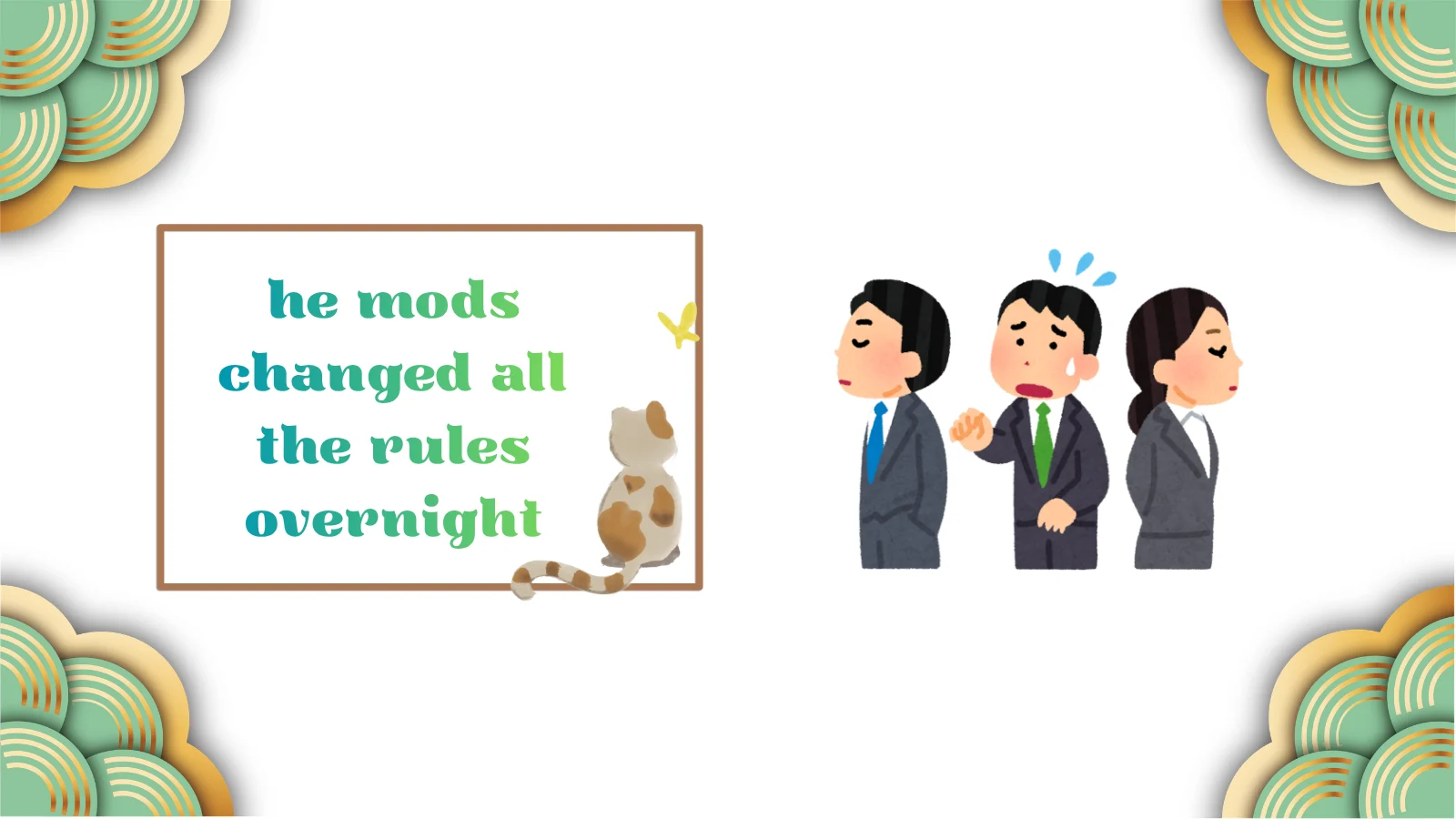
Sam: The mods changed all the rules overnight.
Taylor: Yeah, the community feels completely disenfranchised now.
Example 3
Chris: Nobody asked for feedback before the update.
Morgan: Users are feeling disenfranchised because they weren’t included.
Example 4
Riley: They made all the decisions without the team.
Jamie: I’d feel disenfranchised in that situation.
Example 5
Kai: I don’t even recognize this fandom anymore.
Noah: Same. I feel kind of disenfranchised from the community.
Example 6
TikTok Comment:
“Fans are feeling disenfranchised after that announcement.”
Example 7
Instagram Caption:
“Ever feel disenfranchised when everyone else seems to be in on something except you?”
Example 8
Discord Message:
“The newer members are starting to feel disenfranchised because nobody listens to their suggestions.”
Similar Slang Words or Expressions
Several expressions share similarities with the slang meaning of disenfranchised.
Left Out
Feeling excluded from a social activity, group, or conversation.
Ignored
Not receiving attention, recognition, or acknowledgment.
Alienated
Feeling disconnected from people, organizations, or communities.
Marginalized
Being pushed to the edges of a group or society and having less influence.
Overlooked
Not being noticed, valued, or considered.
Isolated
Feeling socially separated or disconnected from others.
Out of the Loop
Not having current information or being excluded from communication.
Disenfranchised vs Similar Terms (Comparison Section)
Disenfranchised vs Left Out
“Left out” usually refers to a specific social situation, while “disenfranchised” often suggests a deeper loss of influence, participation, or representation.
Disenfranchised vs Alienated
Alienated emphasizes emotional disconnection, whereas disenfranchised focuses more on exclusion from power, decision-making, or involvement.
Disenfranchised vs Marginalized
Marginalized often refers to broader social or systemic exclusion. Disenfranchised can describe both individual and group experiences of lost influence or participation.
Disenfranchised vs Ignored
Ignored means not receiving attention. Disenfranchised suggests a stronger feeling of being excluded from meaningful involvement altogether.
Is It Formal or Informal?
The word disenfranchised is generally considered more formal than typical texting slang.
Casual Conversations
Used occasionally when someone wants to describe feeling excluded or powerless.
Professional Settings
Common in workplace discussions, employee feedback conversations, and organizational communication.
Academic Contexts
Frequently used in sociology, politics, history, and social sciences.
Social Media
Often appears in serious discussions, commentary posts, community debates, and long-form content.
Because of its formal nature, it is less common in quick text exchanges than shorter internet slang terms.
Frequently Asked Questions (FAQ Section)
Is disenfranchised Gen Z slang?
Not exactly. Disenfranchised is a standard English word rather than a Gen Z-created slang term. However, younger internet users sometimes use it in online discussions to describe feeling excluded, ignored, or disconnected from a group or community.
Is disenfranchised trending on TikTok?
The term occasionally appears in TikTok discussions about social issues, workplace culture, fandoms, and community experiences. While it is not a viral slang word, it is commonly used in more serious or analytical content.
Can disenfranchised refer to a person?
Yes. A person can be described as disenfranchised if they feel excluded, powerless, or deprived of influence, opportunities, or participation within a group, organization, or society.
Is disenfranchised sarcastic?
Usually no. The word is most often used sincerely. However, some users may employ it humorously or sarcastically to exaggerate minor situations, such as being left out of a group chat or online trend.
Is disenfranchised offensive?
No. The term itself is not offensive. It is a neutral descriptive word used to discuss exclusion, lack of representation, or reduced influence in various social, political, or personal contexts.
Is disenfranchised commonly used in texting?
It is moderately common but not a mainstream texting slang term. The word appears more frequently in thoughtful discussions, social commentary, workplace chats, and online communities than in everyday casual texting.
What does disenfranchised mean in social media posts?
On social media, disenfranchised often refers to feeling unheard, unrepresented, excluded, or disconnected from a community, organization, trend, or decision-making process.
What is the figurative meaning of disenfranchised online?
The figurative meaning refers to emotional or social exclusion rather than legal rights. People use it to express feeling disconnected, overlooked, or unable to influence outcomes within a group or community.
Quick Summary
- Disenfranchised means feeling excluded, powerless, or lacking influence.
- The literal meaning relates to being deprived of rights or privileges.
- In chat, it often has a figurative meaning connected to social exclusion.
- It is not traditional texting slang but appears in online discussions.
- Common on TikTok, Reddit, Discord, X, and other social platforms.
- The tone is usually serious, reflective, or emotional.
- Similar expressions include left out, alienated, marginalized, and out of the loop.
One-Sentence Definition: In chat and online communication, disenfranchised typically means feeling excluded, unheard, disconnected, or lacking influence within a group, community, or situation.
Final Thoughts
Understanding the disenfranchised meaning in chat helps you interpret conversations more accurately across social media, texting, and online communities.
While the word has formal roots in political and social contexts, its internet meaning often centers on feelings of exclusion, disconnection, or lack of representation.
Whether used literally or figuratively, it communicates a stronger sense of being left out than many everyday expressions, making it a powerful term in modern digital communication.
Leave a Reply