If you’ve seen the term “agent” meaning in chat, you might be wondering whether it’s literal, slang, or something meme driven.
In today’s world of texting, social media, and fast evolving internet slang, words like “agent” can shift meaning depending on context.
This guide breaks down what “agent” means in chat, how it’s used across platforms like TikTok and Discord, and whether it carries a serious, sarcastic, or humorous tone in digital communication.
What Does Agent Mean in Chat?
In texting slang and internet slang, “agent” usually refers to someone acting on behalf of others, often in a metaphorical or humorous way. It can describe a person who’s “on a mission,” secretly influencing things, or behaving like a spy or representative in a playful or ironic context.
Literal Meaning of Agent
Literally, an agent is a person who acts on behalf of another individual, group, or organization. The term originates from Latin agens, meaning “to do” or “to act.”
Common literal uses include:
- Government agents (e.g., intelligence officers)
- Talent agents (representing actors or athletes)
- Business agents (handling deals or negotiations)
It’s a formal term rooted in professional and institutional contexts.
How Is Agent Used as Slang Online?
In modern digital communication, “agent” has taken on a more playful, exaggerated meaning. Gen Z and online communities often use it to describe someone who seems to be working secretly toward a goal, usually in a joking or ironic way.
For example, calling someone an “agent” might imply:
- They’re influencing outcomes behind the scenes
- They’re acting suspiciously or strategically
- They’re “assigned” to do something (often as a joke)
This usage is common in:
- Texting slang
- Meme culture
- TikTok and Discord conversations
The tone is often sarcastic, humorous, or slightly dramatic, rather than literal.
Is Agent Commonly Used in Texting?
“Agent” isn’t the most mainstream slang term, but it’s moderately popular in niche online spaces. You’ll see it more often in:
- Gaming communities
- Twitter/X threads
- TikTok comment sections
- Discord chats
It’s not as universal as slang like “NPC” or “main character,” but it’s recognizable enough among Gen Z users, especially in meme-heavy contexts.
Examples of Agent in Text Messages
Here are some realistic ways “agent” shows up in modern chats:
1. Casual Chat
- “Bro you didn’t reply for 2 days… you an agent or what?”
- “Nah I was just busy 😭”
2. Suspicious Behavior Joke
- “You always defending them… you lowkey an agent”
3. Gaming Context
- “He threw the match so hard, definitely an agent”
4. TikTok Comment Style
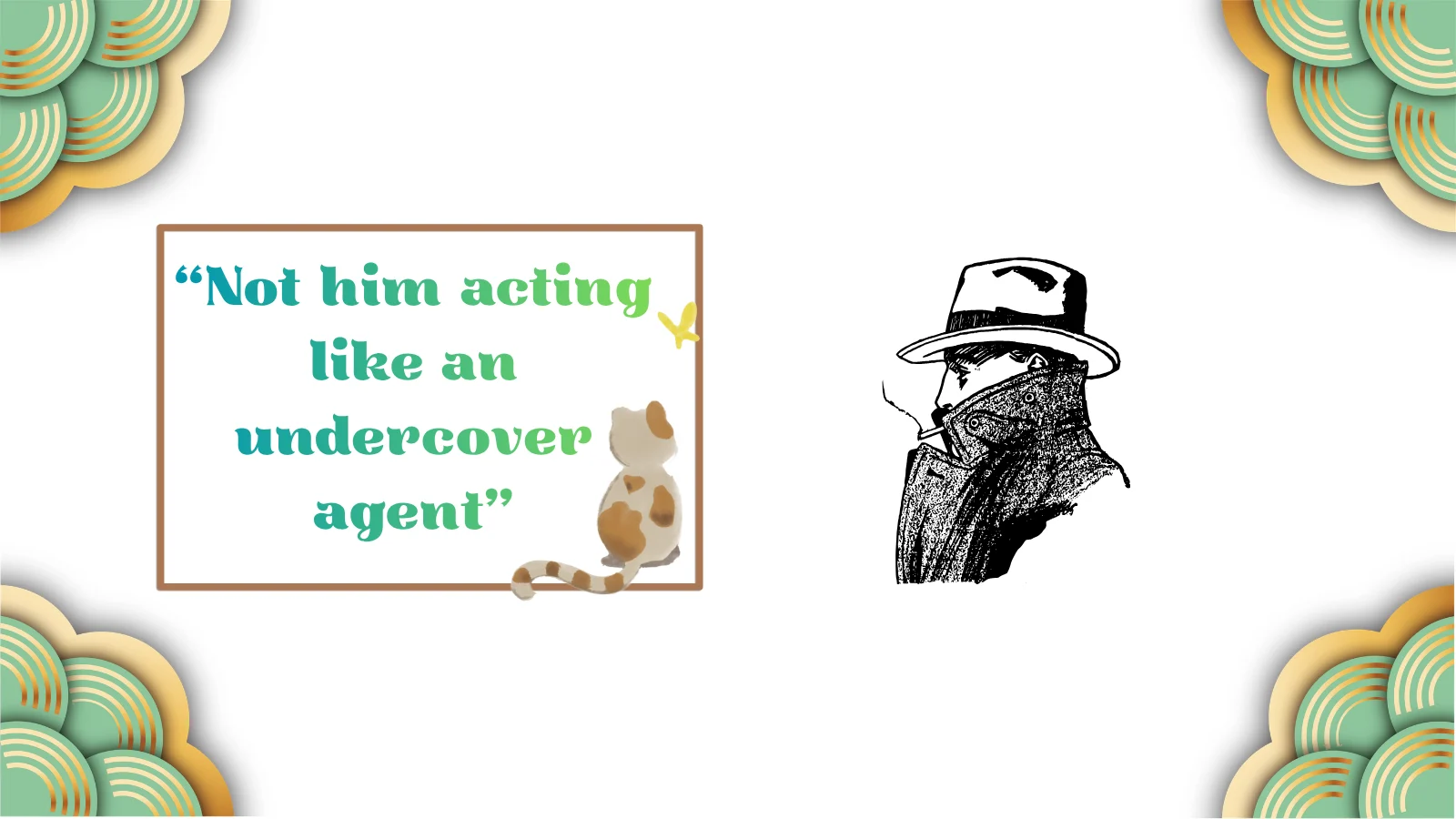
- “Not him acting like an undercover agent 💀”
5. Group Chat Humor
- “Who told her?? There’s an agent in this chat fr”
6. Caption Example
- “Me pretending I don’t know anything like an agent 😎”
7. Sarcastic Tone
- “Yeah okay ‘coincidence’… agent behavior”
These examples show how flexible the term is—it can imply suspicion, humor, or playful exaggeration.
Similar Slang Words or Expressions
Here are some related slang terms with overlapping meanings:
- NPC (Non-Playable Character) – Someone acting predictable or robotic
- Main Character – Someone acting like everything revolves around them
- Fed – Short for “federal agent,” used jokingly to call someone suspicious
- Op (Operation/Operator) – Someone involved in a plan or scheme
- Plant – Someone secretly placed to influence a situation
All of these are part of internet slang ecosystems that describe behavior in exaggerated, often humorous ways.
Agent vs Similar Terms (Comparison Section)
Agent vs Fed
“Agent” is broader and more playful, while “fed” specifically implies government surveillance in a joking way.
Agent vs NPC
An “agent” suggests intention or strategy, while an “NPC” implies lack of awareness or originality.
Agent vs Plant
A “plant” is more specific—someone deliberately placed somewhere. “Agent” is looser and more meme-friendly.
Is It Formal or Informal?
The word “agent” exists in both formal and informal contexts, but its meaning changes significantly:
- Formal:
Used in business, law, and government settings (e.g., “insurance agent”) - Informal (Slang):
Used in texting, memes, and social media with humorous or ironic meaning - Academic/Professional Writing:
Only the literal meaning is appropriate - Social Media & Chat:
Slang meaning is common and context-driven
Frequently Asked Questions (FAQ Section)
Is “agent” Gen Z slang?
Yes, “agent” has been adopted into Gen Z slang, especially in online communities. While the word itself isn’t new, its figurative meaning in texting slang—implying someone is secretly acting or influencing things—comes from modern meme culture and digital communication trends.
Is “agent” trending on TikTok?
“Agent” appears occasionally on TikTok, mostly in comments or humorous captions. It’s not a top-tier trending slang term, but it shows up in meme-based content and ironic storytelling, especially when users joke about suspicious or strategic behavior.
Can “agent” refer to a person in chat?
Yes, in slang, “agent” almost always refers to a person. It’s used to describe someone acting in a calculated, secretive, or exaggerated way—often jokingly. The meaning depends heavily on context and tone within the conversation.
Is “agent” used sarcastically?
Very often. In most texting scenarios, calling someone an “agent” is sarcastic or humorous, not literal. It exaggerates behavior for comedic effect, implying someone is “on a mission” or secretly involved in something.
Is “agent” offensive?
Generally, no. It’s a lighthearted slang term and not considered offensive. However, tone matters—if used repeatedly in a negative way, it could come off as accusatory or annoying, but it’s rarely serious.
Is it commonly used in texting?
It’s moderately common but not universal. You’ll see it more in online subcultures, gaming chats, and meme-heavy platforms than in everyday texting. Its usage depends on familiarity with internet slang.
Does “agent” always mean something secretive?
Not always, but that’s the most common slang implication. It usually suggests someone is acting with hidden intent or strategy, though often in a playful or exaggerated way rather than a serious accusation.
Quick Summary
- “Agent” in chat is internet slang for someone acting strategically or secretly (often jokingly)
- Literal meaning: a person who represents or acts on behalf of others
- Slang meaning: playful, sarcastic, or meme-based
- Common in gaming, TikTok comments, and Discord chats
- Not offensive, but context and tone matter
One-line definition:
“Agent” in texting slang refers to someone jokingly seen as acting with hidden motives or on a mission, often in a humorous or sarcastic way.
Final Thoughts
The meaning of “agent” in chat shows how traditional words evolve in digital spaces.
What once referred strictly to professional roles now doubles as a playful label in online conversations.
While it’s not the most dominant slang term, its flexibility and humor make it a useful part of modern internet language.
Understanding these subtle shifts helps you stay fluent in texting culture and better interpret tone, intent, and context in everyday digital communication.
Leave a Reply