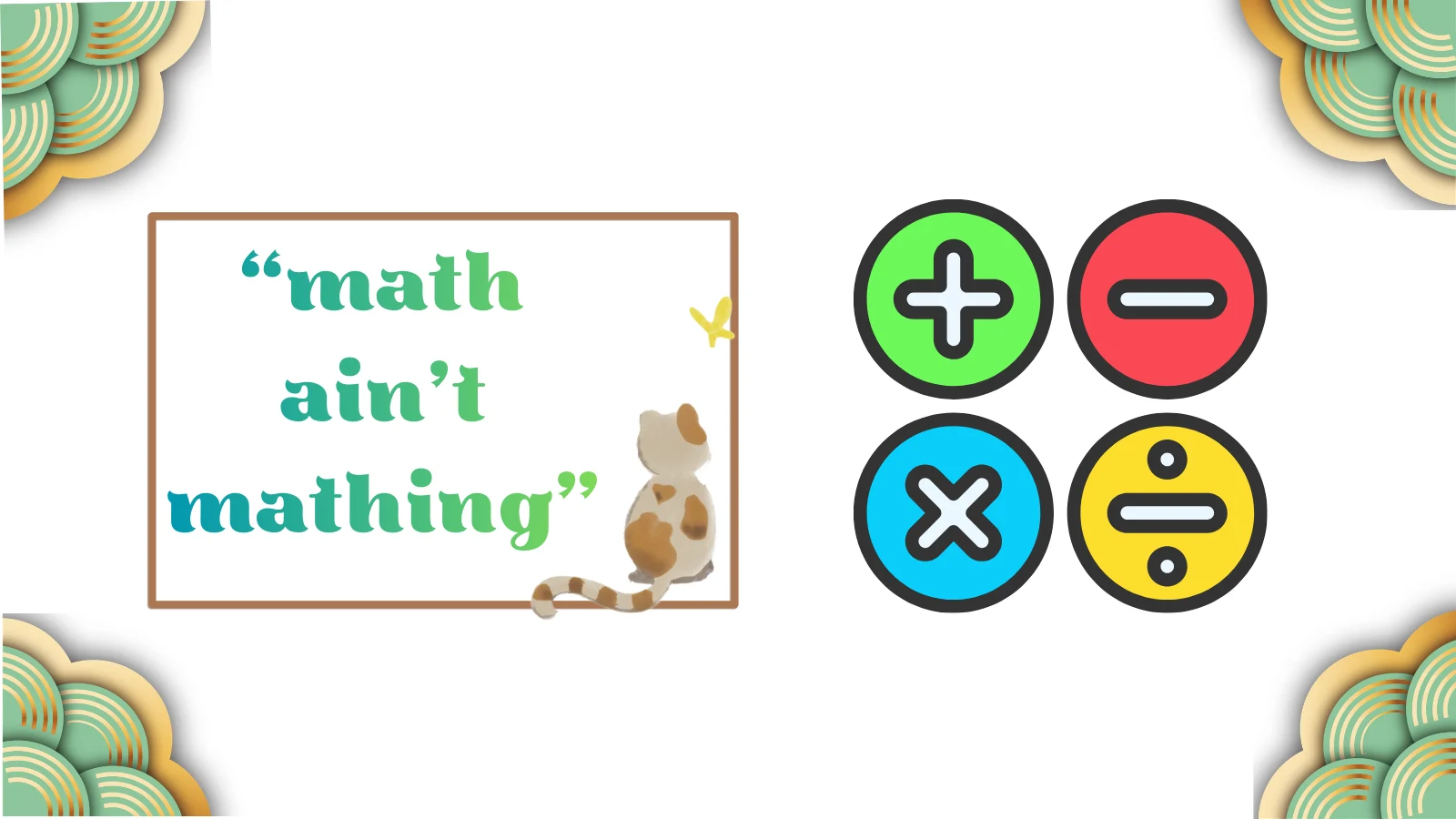
In modern texting, social media, and online conversations, math symbols meaning in chat goes far beyond classrooms and calculators.
Symbols like +, =, >, <, %, and ∞ are now part of everyday digital communication, often used as texting slang to express emotions, relationships, logic, sarcasm, or humor.
This guide breaks down the literal and slang meanings of math symbols, how Gen Z uses them online, and what they really mean in texts, memes, and social media captions in 2026.
What Does Math Symbols Meaning in Chat Mean?
Math symbols meaning in chat refers to the way mathematical signs are used as internet slang in texting and social media to convey ideas, emotions, or comparisons rather than actual math. These meanings are usually metaphorical, helping users communicate faster, sound clever, or add humor and emotional context in digital conversations.
Literal Meaning of Math Symbols
Traditionally, math symbols are part of formal mathematical language:
+means addition−means subtraction=means equality>and<mean greater than or less than%represents percentage∞represents infinity
Their origins come from ancient mathematics and logic systems designed to express numerical relationships clearly and universally.
How Are Math Symbols Used as Slang Online?
Online, math symbols have evolved into emotional slang and social media expressions. Gen Z and digital first users repurpose these symbols to express opinions, relationships, and feelings especially on TikTok, Discord, Instagram, X, and WhatsApp.
In digital communication, math symbols often imply:
- Comparison (
you > everyone) - Equality (
me = tired) - Accumulation (
stress + exams = chaos) - Endless feelings (
love you ∞) - Ratios of effort or value (
effort > results)
The tone can be sarcastic, emotional, ironic, playful, or dramatic depending on context.
Is Math Symbols Meaning in Chat Commonly Used in Texting?
Yes, math symbols are very common in texting, but not always consciously noticed. They’re widely used across platforms, especially in captions, memes, short texts, and reaction replies. While not all symbols are slang heavy, comparisons (>, <, =) and infinity (∞) are especially popular in casual and ironic online speech.
Examples of Math Symbols in Text Messages
Texting Examples
- “Me + coffee = functioning human ☕”
- “Your vibe > everyone else’s”
- “Brain − sleep = bad decisions”
- “Love you ∞”
- “Her effort > his excuses”
Mini Chat-Style Conversations
- A: “Why are you still awake?”
- B: “Deadlines + anxiety = insomnia”
- A: “Who’s better?”
- B: “You > the rest, obviously”
Social Media Captions
- “Happiness = peace + boundaries”
- “Dreams > fear”
- “Energy − negativity = glow up”
Similar Slang Words or Expressions
Related expressions that serve similar emotional or symbolic purposes include:
- “vibes”
- “energy”
- “math ain’t mathing”
- “girl math / boy math”
- “logic left the chat”
- “this equals chaos”
- “ratio” (for comparison or dominance)
These phrases often pair naturally with symbolic math-style language.
Math Symbols Meaning in Chat vs Similar Terms
Math Symbols vs Girl Math
Math symbols are concise and symbolic, while girl math is a humorous narrative logic style used to justify decisions.
Math Symbols vs Emojis
Emojis convey emotion visually, while math symbols express logical or relational meaning in text.
Math Symbols vs Memes
Memes rely on cultural context and images; math symbols work instantly and universally in short form communication.
Is It Formal or Informal?
Math symbols used as slang are highly informal.
- Casual texting: Very common
- Social media: Extremely common
- Professional communication: Usually avoided unless playful
- Academic writing: Literal meaning only
In slang contexts, math symbols should never be used in formal or professional writing unless clearly intentional.
Frequently Asked Questions
Is math symbols meaning in chat considered Gen Z slang?
Yes. While older generations recognize the symbols, Gen Z popularized their emotional and metaphorical usage in texting and social media, making them a staple of modern internet slang.
Are math symbols trending on TikTok?
Indirectly, yes. Trends like “girl math,” comparison memes, and symbolic captions have made math-style expressions increasingly visible on TikTok and short-form video platforms.
Can math symbols refer to people?
Yes. Symbols like > or = are often used to compare people or relationships, such as “you > him” or “me = exhausted friend.”
Are math symbols sarcastic in texting?
Often. Depending on tone, math symbols can signal irony, sarcasm, or dry humor, especially in memes or short reaction messages.
Is math symbols meaning in chat offensive?
No. Math symbols are neutral. Offense only comes from the message content, not the symbols themselves.
Are math symbols commonly used in texting?
Very common. They’re quick, expressive, and universally understood, making them ideal for modern texting slang.
Do math symbols replace words in chat?
Yes. Many users replace entire phrases with symbols to save time or add emphasis, like “stress + work = chaos.”
Quick Summary
- Math symbols meaning in chat refers to symbolic, slang based usage in texting
- Used to express comparison, emotion, logic, or humor
- Common on TikTok, Discord, Instagram, and messaging apps
- Informal and metaphorical, not literal math
- Popular with Gen Z and meme culture
One-sentence definition:
Math symbols in chat are used as internet slang to visually express emotions, comparisons, and relationships rather than actual mathematics.
Final Thoughts
Math symbols have quietly become one of the most efficient tools in modern digital communication.
Their simplicity, universality, and emotional flexibility make them perfect for texting, memes, and social media expression.
In 2026, understanding math symbols meaning in chat isn’t about numbers it’s about knowing how people really communicate online.
Leave a Reply